
When suspension parts fail early, the first reaction is usually to blame the product. Sometimes that is correct. Sometimes the real reason is wrong fitment, poor installation, harsh road conditions, or damaged packaging.
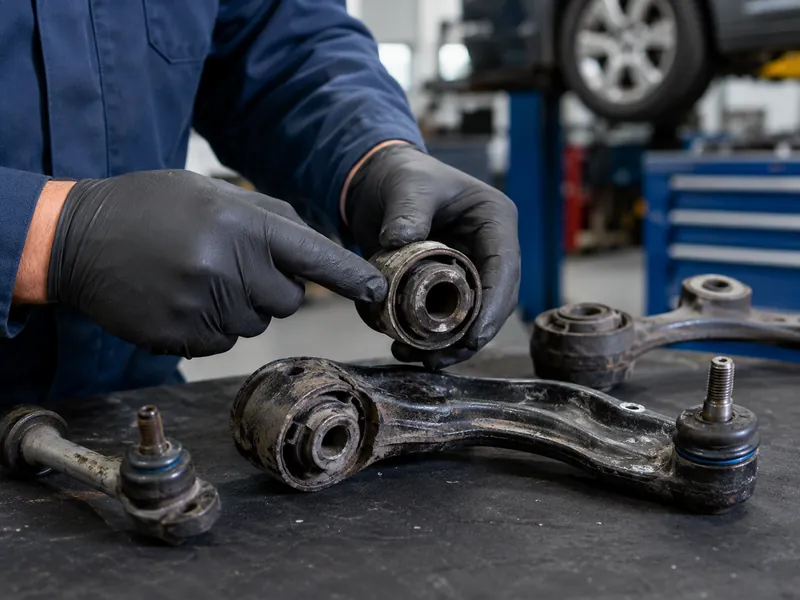
Before placing an order, ask the supplier for the OE number, vehicle application, clear product photos and packaging details. For control arms, ball joints and stabilizer links, check the mounting points, dust boots, bushings and threads carefully. These details can reveal whether the part matches the requested version and whether the supplier understands the product.
If the parts will be used on rough roads or sold to workshops, ask about the rubber material, corrosion protection and quality-control process. A lower price may be acceptable for some markets, but it should never replace a clear fitment check. Confirming these points before ordering can reduce early failures, returns and complaints later.
Buyers who understand these causes make better sourcing decisions. They also handle customer complaints more calmly because they know what evidence to ask for.

What to Check Before Ordering Suspension Parts
Poor material quality is still common
Weak rubber, poor sealing, low-grade grease, rough machining, and unstable heat treatment can all shorten product life. A ball joint may develop play. A bushing may crack. A control arm may start making noise long before the customer expects it to.
This is why buyers should not judge only by appearance. A new part can look clean and still be weak inside.
Wrong application creates hidden stress
Fitment mistakes are a major cause of early failure. The part may be close to the correct item, but not exact. It may fit under pressure, or the mounting may seem acceptable, yet the geometry is slightly off.
That small difference can increase stress on the bushing, ball joint, or mounting point. The part works for a short time, then the complaint comes back.
Installation can damage a good part
Suspension parts need correct torque and correct position. Some bushings should be tightened when the vehicle is at normal ride height. If they are tightened while the suspension is hanging, the rubber may twist abnormally during driving.
A damaged neighboring component can also shorten the life of the new part. If a worn shock absorber, tie rod end, or mount is ignored, the replacement part may be blamed for a wider chassis problem.
Road conditions matter
In markets with rough roads, heavy loads, dust, heat, and long operating hours, suspension parts live a harder life. A product that performs well in one region may not last the same time in another.
Importers selling to demanding markets should think about road conditions before choosing the product line. A low-cost standard part may not be the best choice for heavy use.
Packaging and storage can start the problem
Rubber boots can split. Painted surfaces can chip. Moisture can create corrosion. If the packaging is weak, the part may be damaged before it reaches the workshop.
Once a seal is damaged, dirt and water enter faster. Service life drops, and the product receives the blame.
Set the right quality expectation
Not every aftermarket product is built for the same market position. Economy, mid-range, and premium lines should not be described as the same thing. If an economy product is sold as a premium solution, complaints become more likely.
Honest positioning helps buyers choose the right product for the right customer.
How buyers can reduce early failure claims
Verify fitment carefully. Ask basic questions about material, rubber, testing, and packaging. Request clear installation notes where needed. Keep product positioning honest.
When claims happen, collect useful evidence: photos, mileage, vehicle model, installation notes, road conditions, and failed samples when possible. Over time, patterns will appear.
Early suspension failure is rarely a mystery. It usually comes from one of a few practical problems: weak quality, wrong fitment, poor installation, harsh use, or packaging damage. Buyers who understand those factors reduce claims and protect their reputation.
Need help choosing the right product? Visit our product catalog or send us an inquiry.