VIN vs OE number: both references help identify the correct auto part, but they are not interchangeable.
A VIN identifies one vehicle. An OE number identifies one original equipment part reference. Sending the right reference at the start makes it easier to check the product, avoid fitment mistakes and prepare a workable quotation.
For importers, workshops and parts distributors, knowing when to ask for each one saves time and reduces avoidable fitment mistakes.
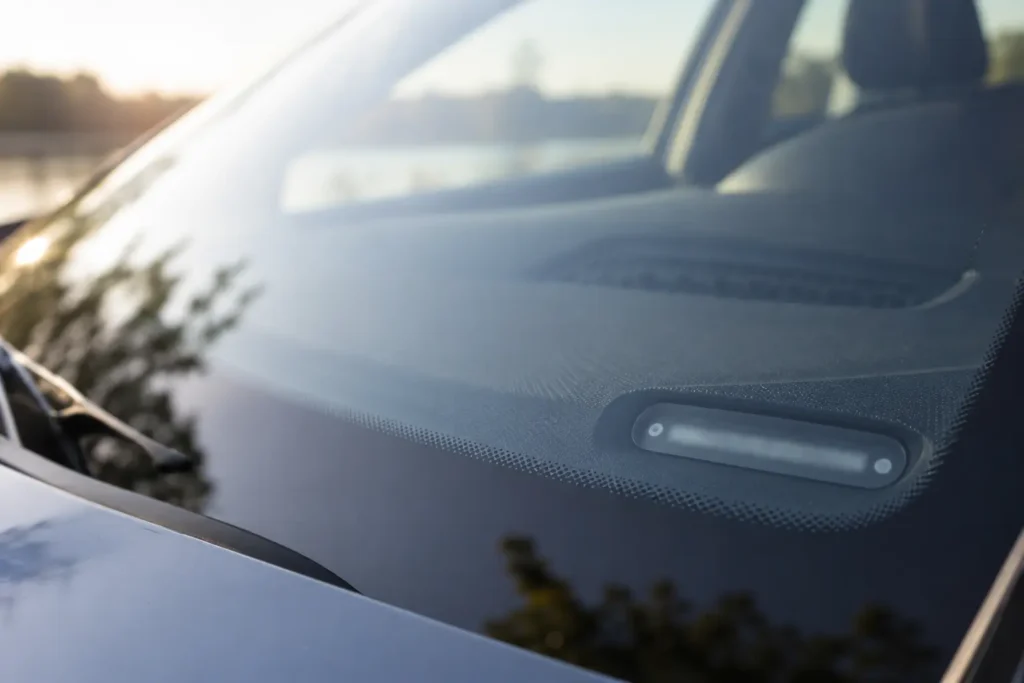
A VIN, old-part photo and installation position give a supplier a much better starting point.
What is a VIN?
VIN means Vehicle Identification Number. It is also commonly called a chassis number or frame number. Modern passenger vehicles usually use a 17-character VIN, although older vehicles and some regional applications may use a different format.
The VIN is tied to the vehicle itself. Depending on the vehicle brand and the catalogue being used, it may help identify the model, production period, engine, transmission, body style or factory options. That makes it valuable when the customer does not know the OE number.
But a VIN is not a promise that a seller can identify the part by eyesight alone. It still needs to be checked in a reliable catalogue or against the manufacturer’s information. A vehicle may have different suspension, steering or brake versions within the same model range.
For U.S.-market vehicles, the NHTSA VIN Decoder can be used as an additional reference. Final part fitment should still be checked against the OE number, vehicle application and product details.
What is an OE number?
OE means Original Equipment. An OE number, sometimes called an OEM part number, is the reference used for a specific original part. It is normally printed on the old part, its label, or found through a parts catalogue.
For a replacement-parts enquiry, the OE number is usually the most efficient reference. It lets the supplier search for the correct product family, check cross references and confirm whether there are left/right, front/rear or version differences.
However, the number still needs a sensible check. A number can be superseded, incomplete, copied incorrectly or used for more than one revision. Buyers should not treat a search result as final until the installation position, application and product photo have also been reviewed.
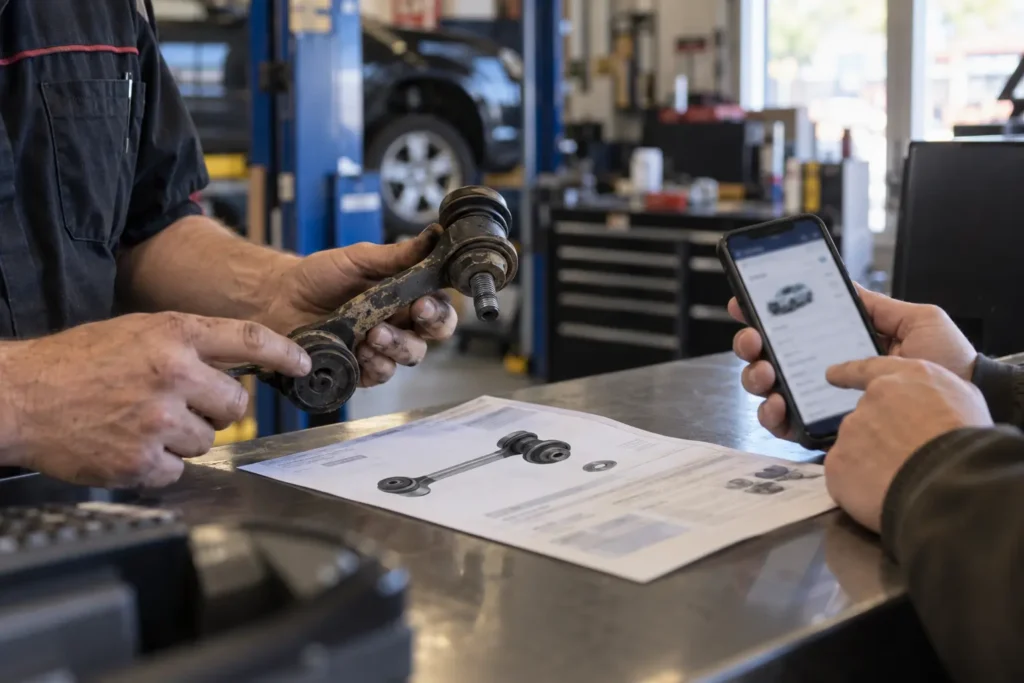
A VIN, old-part photo and installation position give a supplier a much better starting point.
VIN vs OE Number: Which One Should You Send First?
| Situation | Best information to send | Why it helps |
|---|---|---|
| The old part has a readable number | OE number + photo | Fastest route to a product match |
| No number is visible on the old part | VIN + model/year + clear photos | Helps identify the vehicle configuration before searching |
| The part is left/right or front/rear specific | OE number + installation position + photo | Prevents common mirror-image mistakes |
| The buyer is stocking parts for resale | OE list + quantities + target vehicle range | Makes a workable quotation easier to prepare |
Four details that should travel with the number
A number alone is better than nothing, but it is not always enough. Before asking for a final quotation, send these details whenever possible:
- Installation position: left or right; front or rear; upper or lower where applicable.
- Vehicle details: model, production year and engine when known.
- A clear old-part photo: include connectors, mounting points, dimensions or markings that may distinguish a version.
- Required quantity and destination: these affect price, packing and lead time.
A practical message buyers can use
Please send the OE number first if available. If the OE number is not available, please send the VIN/chassis number, vehicle model, year, installation position and a clear photo of the old part. We will check the fitment before quoting.
Do not turn a VIN into a fitment guarantee
It is good practice to say that the VIN will be used for checking, rather than saying the part is confirmed before the catalogue and product details have been reviewed. This is especially important for chassis parts, electronic items, regional versions and vehicles with optional equipment.
For a smoother request, start with the OE number where possible, then use the VIN and photos as cross-checks. If you are new to OE-number based sourcing, read our guide on how to check OE numbers before ordering auto parts. For a ready-to-use request format, see our auto parts inquiry template.
Need help organizing an enquiry?
Send the OE number, VIN where available, vehicle details, product photo and required quantity. JASPEEDA will check the product reference and available options before preparing a quotation.