If you work in auto parts purchasing, the terms shock absorber and strut can look similar at first. In everyday conversation, people often mix them up. But in actual suspension systems, they are not the same part, and ordering the wrong one can cause costly delays.
This guide explains the difference in plain language, shows how each part works, and highlights what buyers should confirm before placing an order.
What Is a Shock Absorber?
A shock absorber is a suspension component designed to control the movement of the spring. Its main job is to reduce bouncing, improve stability, and help the tire stay in contact with the road.
A shock absorber does not support the vehicle structure by itself. It works together with other suspension parts, such as springs and mounting components.
In simple terms: the spring carries the load, while the shock absorber controls the motion.
What Is a Strut?
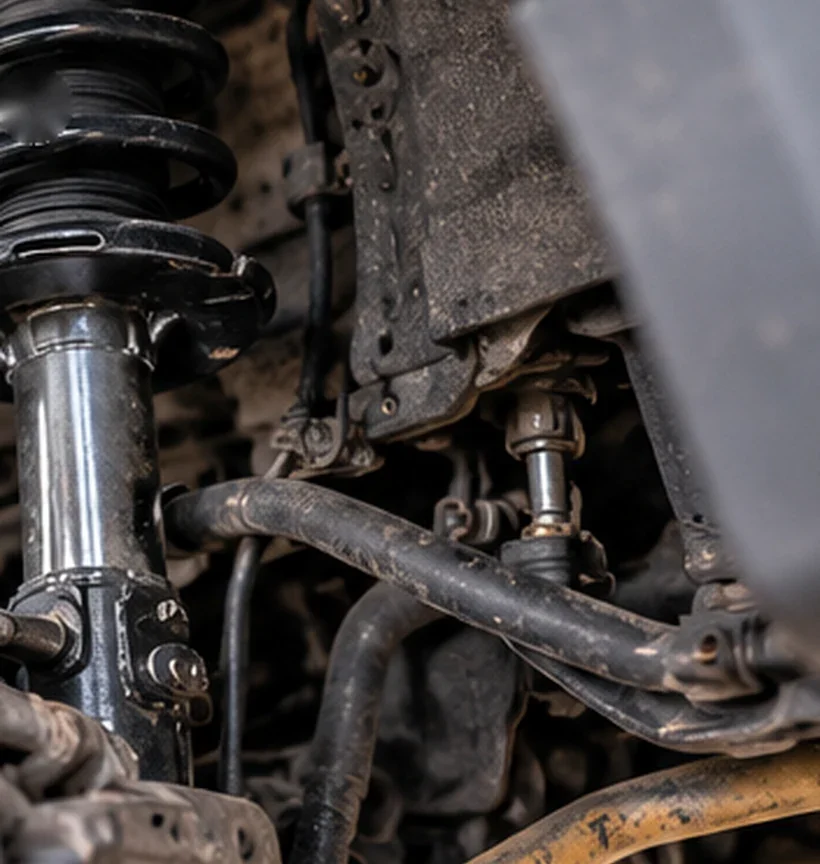
A strut also helps control suspension movement, but it does more than a shock absorber. A strut is a structural part of the suspension assembly. It usually combines the damping function with a load-bearing role in one unit.
Because of this, a strut is more than just a damper. It often connects with the spring, mount, and steering components as part of the overall suspension structure.
In short: a strut helps absorb road impact and supports part of the vehicle structure.
Shock Absorber vs Strut: The Main Difference
The simplest way to understand it is this:
- Shock absorber: controls spring movement only
- Strut: controls spring movement and is part of the suspension structure
That is why the two parts are not automatically interchangeable, even if they seem similar from a distance.

Why Buyers Often Confuse Them
Many buyers first identify a part by appearance, customer wording, or vehicle description. This is where mistakes happen.
In some markets, people may casually call both parts “shock absorbers.” In workshop communication, a customer may also send only a vehicle model without the OE number. If the part is identified only by name, the risk of mismatch becomes much higher.
This is especially common in suspension parts, where the installation side, axle position, and vehicle configuration all matter.
What Should Buyers Confirm Before Ordering?
Before confirming a shock absorber or a strut order, buyers should check the following points:
- OE number – this is usually the fastest way to confirm the correct part
- Vehicle make and model – for example Mercedes-Benz, BMW, Audi, Volkswagen, Volvo, Jaguar, or Land Rover
- Year range – production year can change the fitment
- Position – front or rear, left or right if required
- Part type – confirm whether the application uses a shock absorber or a strut
- Photos or sample details – useful when OE data is incomplete
If the fitment is unclear, asking for the OE number and a clear product photo from the original part is often the safest next step.
Can a Shock Absorber Replace a Strut?
In normal parts sourcing, the answer is no.
A shock absorber and a strut are designed differently and serve different roles in the suspension system. Replacing one with the other without the correct vehicle design is not a practical solution.
For buyers, the right question is not “Which one is better?” but “Which one does this application actually require?”
When Is This Difference Important in Sourcing?
This difference matters most when you are:
- building a product list for a distributor or importer
- checking quotations from multiple suppliers
- matching customer inquiries by OE number
- preparing shipment documents or packing lists
- reviewing return or complaint cases caused by wrong fitment
For suspension parts, a correct match at the quotation stage saves time later in the process.
Practical Buying Tip
If a buyer asks for “shock absorbers,” do not assume the part type immediately. First confirm the OE number or exact application. That simple step avoids many common ordering mistakes.
For repeat customers, it is also helpful to build a small reference list based on frequently ordered OE numbers and vehicle applications.
Related Suspension Parts
If you are sourcing suspension parts, you may also need related items such as control arms, stabilizer links, suspension bushings, and strut mounts.
Browse JASPEEDA suspension and chassis parts.
Need Help Matching the Right Part?
If you already have an OE number, vehicle model, or product photo, send it to us and we can help check the application before quotation.
Contact JASPEEDA for product matching and quotation.https://jaspeeda.com/contact/